
Topic
Radiofrequency Ablation
What a radiofrequency ablation asks of you afterward
The procedure is quick to describe and slow to judge. NHS says a device is put through the catheter and energy from radio waves is used to heat the vein that is causing your symptoms. In RadiologyInfo.org's account, that heat is what causes the vessel to close.
Closure is the start of the result, not the end of it. We read the guidance for each question below and note the follow-up it points to, so the answer does not stop at the procedure room door.
The questions, and the follow-up each one points to
- Who is not a candidate for thermal ablation? Ask which findings would rule it out for you and what the alternative plan would be.
- What are the risks of radiofrequency ablation? Ask which warning signs at home should prompt a call, and who answers it.
- Can I drive home after vein ablation? Ask before the day whether you need a ride, and settle any long trips ahead of time.
- Is laser ablation different from radiofrequency ablation? Ask which one is proposed for you and whether the follow-up differs between them.
- How long does a vein ablation procedure last? Ask whether the answer means the visit or the result, and which check confirms the second.
- Why is ultrasound used during ablation? Ask whether imaging is repeated later to confirm the result.
- What happens to blood flow after a vein is closed? Ask which nearby veins carry the blood afterward and whether they get checked.
- Is radiofrequency ablation done under general anesthesia? Ask what anesthesia is planned and whether it affects how you get home.
Planning the upkeep
Treat the procedure as the start of a schedule. RadiologyInfo.org says you may resume your normal activity immediately, with the exception of air travel or prolonged sitting, such as a long car trip. A calendar has to absorb that limit, so ask for follow-up visits and travel limits in writing before you book.
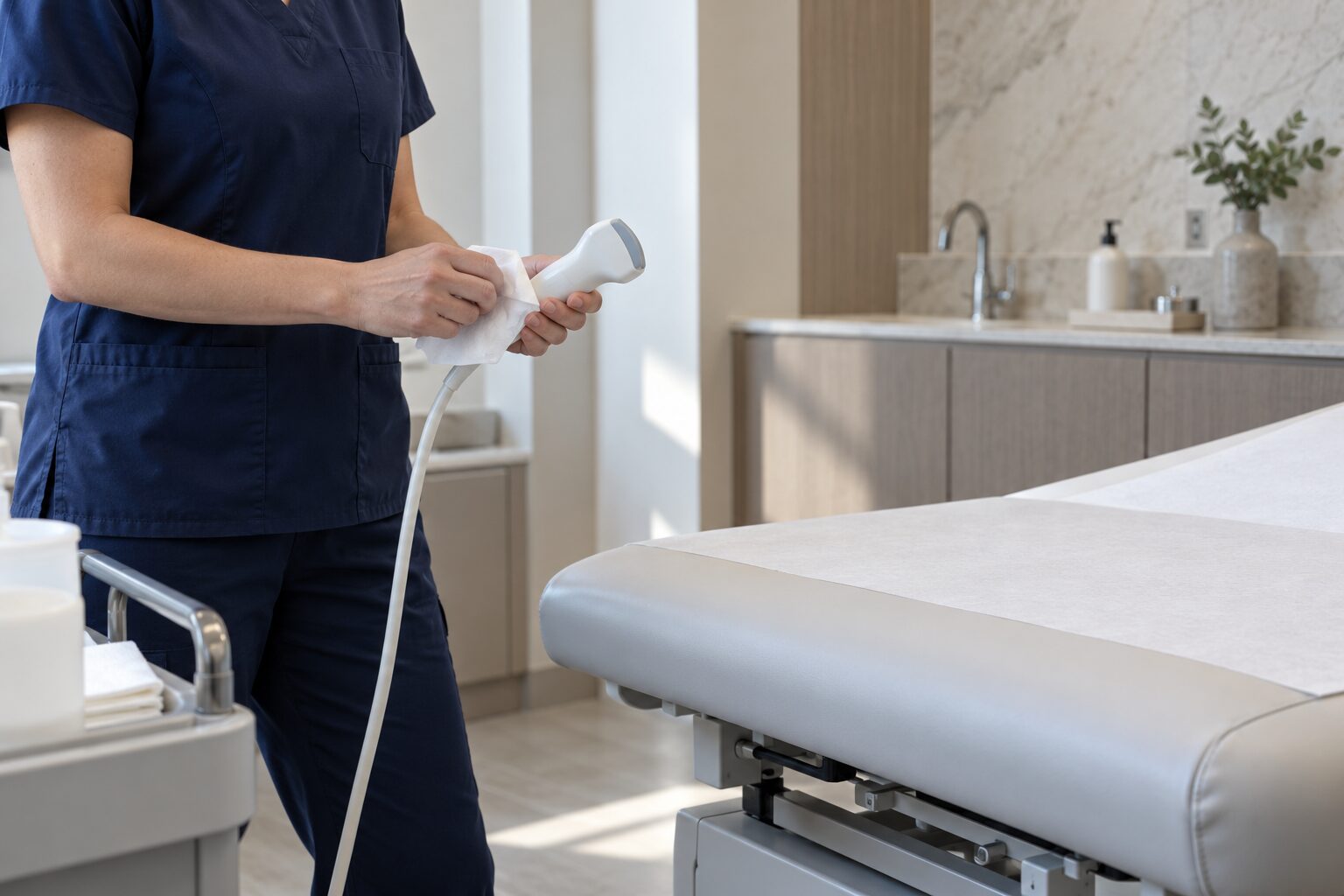
RadiologyInfo.org also describes endovenous thermal ablation as an image-guided procedure that uses radiofrequency or laser energy to heat and seal off an incompetent vein. For more, read the patient guide to endovenous varicose vein treatment and the overview of varicose vein evaluation and treatment. A page on the location and anatomy of the saphenous vein helps when a clinician names the vessel, and a recovery guide for varicose and spider vein treatment covers the weeks after.